Shri Omkareshwar Jyotirlinga, Khandwa
Somvar Rudrabhishek
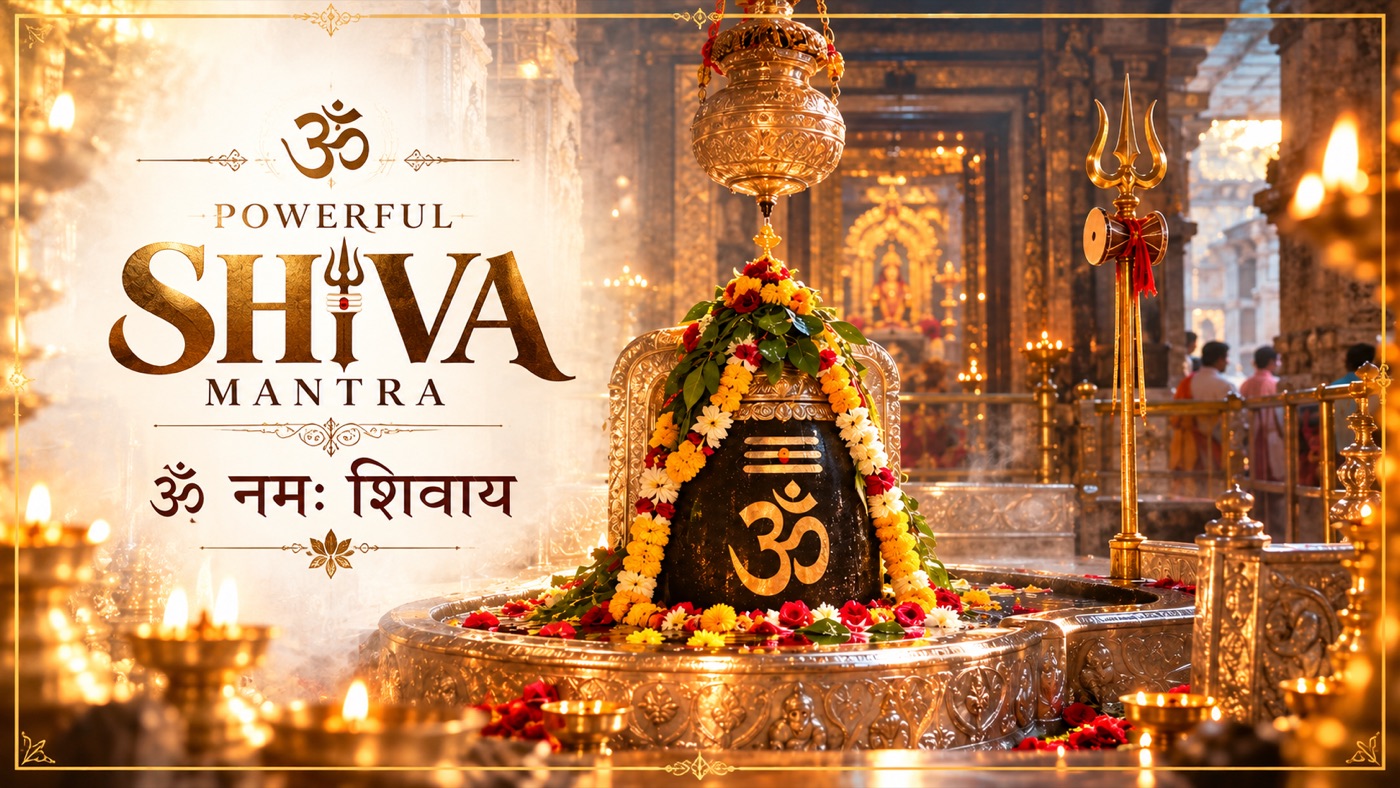
The Monday abhishek of the Jyotirlinga, with the Rudram recited over it
About this seva
Monday belongs to Shiva, and at a Jyotirlinga the Monday abhishek is the ritual the week is built around. The lingam is bathed in Narmada water, milk, honey and ghee while the Sri Rudram — the oldest surviving hymn to Rudra — is recited over it. Devotees offer it for relief from long-standing difficulty, for health that has not held, and before anything that needs to begin well.
Choose your offering
Sankalp Arpan
Your name in the Monday abhishek
₹251
- One name and gotra in the sankalp
Saparivar Arpan
Most chosenThe whole family, named together
₹751 ₹1,100
- Up to four names in one sankalp
- Bilva patra offered in each name
Purna Rudrabhishek
The full abhishek offered in your name
₹2,100
- Up to eight names in the sankalp
- Complete panchamrit samagri offered on your behalf
- Rudram recited in full, not in summary
- Extended recording of the whole abhishek
What's included
- Your sankalp — every name and gotra — recited by the acharya during the ritual
- Video and photos of the seva in the app, to watch and download for 90 days
- Tirth prasad from the offering, couriered to your address
- A written note of the date, muhurat and what was offered in your name
Why it is offered
- Relief from Shani and Rahu periods
- The abhishek is the traditional remedy prescribed while a hard planetary period is running.
- Health and long life
- Rudram is recited for arogya — for a body that has been unwell and for one that should stay well.
- A clean start
- Offered before a marriage, a move, a new venture or anything that should not begin under a shadow.
How it works
- You give the sankalp — Names and gotra of everyone the seva is offered for, and the prayer in your own words. This is what the acharya reads out — nothing else about you is sent.
- The temple receives the list — Sankalps close a few hours before the ritual so the list can be prepared. Book after that and you join the next occurrence, which the app shows you first.
- The seva is performed — At the temple, at its own muhurat, by the acharyas who perform it every week — whether or not anyone has booked.
- The video and photos reach you — Usually within two days, on your booking in the app, and we email you when they arrive. The prasad follows by courier, with a note of what was offered and when.
Who performs it
Omkareshwar temple acharyas
Vedic ritual team, Shri Omkareshwar Mandir
The rituals are performed by the temple's own acharyas, in the Shaiva tradition the shrine has followed for generations. Punyaloka arranges the sankalp and the recording; it does not send a priest of its own.
Questions
Do I need to be present at the temple?
No. A seva performed on your behalf is an old and ordinary practice — the sankalp carries your name and intention to the ritual whether you stand there or not.
What if I do not know my gotra?
Leave it blank. The acharya recites the default lineage, which is the accepted practice for anyone who does not know theirs. It changes nothing about the seva.
Can I offer this for someone else?
Yes, and most people do. Add their name and gotra in the sankalp; they do not need an account, and they do not need to know unless you want them to.
What happens if the seva cannot be performed?
It is refunded in full, without you having to ask. A ritual the temple could not hold is not something we keep money for.
Give your sankalp — names, gotra and prayer — and the seva is performed in your name on 26 October 2026.
Book this seva